
The Multi-Grafted Low Chill Apple Tree is an exceptional 4-in-1 fruit tree designed specifically for warm climates, producing four delicious apple varieties on a single semi-dwarf tree. Ideal for gardeners in low-chill regions, this tree requires minimal cold hours to yield abundant, high-quality fruit. Each grafted branch produces a different apple variety—ranging from sweet and crisp to mildly tart—providing a continuous harvest from early summer through fall. Thriving in full sun and well-draining soil, this self-fruitful tree is both productive and low maintenance, making it perfect for small orchards, backyard gardens, and patio growers alike.
In spring, the Multi-Grafted Low Chill Apple Tree bursts with fragrant white blossoms, adding ornamental beauty before transitioning to a steady crop of colorful apples. Whether for fresh eating, baking, or cider making, this multi-grafted tree delivers a rewarding harvest with minimal effort in regions that experience mild winters.
Semi-dwarf on M-111 rootstock with 4 different low-chill apple varieties.
Possible varieties may include: Dorsett Golden, Anna, Gordon, and Fuji.
- Zones: 5–10
- Chill hours: Approximately 100
- Harvest: June 25 – October 10
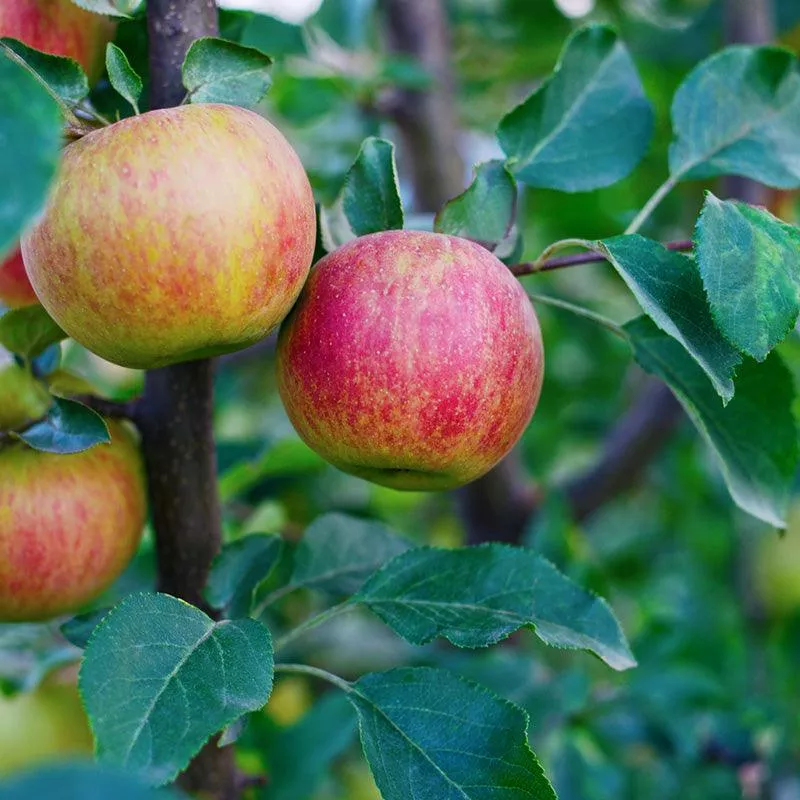
- Looks: A colorful mix of gold, green with red blush, deep red, and red-orange apples.
- Personality: All varieties are sweet, crisp, and flavorful, offering a balance of refreshing sweetness and classic apple character.
- Facts of note: Excellent performer in warm desert climates such as Southern California and Arizona; reliably productive even with minimal winter chill.
- Pollination: The grafted varieties cross-pollinate each other effectively and can also serve as pollinators for nearby apple trees.
The Multi-Grafted Low Chill Apple Tree brings together flavor diversity, visual beauty, and climate adaptability in one easy-to-grow package. Designed to thrive where traditional apple varieties may struggle, it ensures a long harvest season and a variety of flavors for any home orchard.
Key Features of the Multi-Grafted Low Chill Apple Tree:
- Multiple Varieties on One Tree: Four distinct low-chill apple types on a single rootstock, including Dorsett Golden, Anna, Gordon, and Fuji, offering a mix of flavors and harvest times.
- Perfect for Warm Climates: Requires only around 100 chill hours, making it ideal for coastal, desert, and southern regions.
- Extended Harvest: Enjoy fresh apples from late June through October with staggered ripening among the grafts.
- Space-Saving Design: Combines multiple varieties on one semi-dwarf tree—perfect for compact gardens or urban settings.
- Self-Fruitful and Reliable: The grafted varieties pollinate each other, ensuring consistent production without needing a separate pollinator.
Cultivating and Caring for Your Multi-Grafted Low Chill Apple Tree:
Follow these simple care steps to keep your Low Chill Apple Tree thriving and productive year after year:
- Location: Plant in a sunny area with well-draining soil. Provide at least 6–8 hours of direct sunlight per day.
- Pruning: Prune during dormancy to shape the canopy and balance the growth between grafted branches.
- Watering: Keep soil evenly moist, especially during hot or dry conditions. Deep watering encourages strong root development.
- Fertilization: Apply an organic, balanced fertilizer in spring to promote healthy foliage and abundant fruit set.
- Pest and Disease Management: Inspect regularly for aphids, codling moth, and apple scab. Use organic sprays and good cultural practices to maintain tree health.
The Multi-Grafted Low Chill Apple Tree is a smart and rewarding choice for gardeners in mild winter regions. With its adaptability, ornamental spring display, and extended season of crisp, flavorful fruit, it’s a must-have addition to any home orchard.
Visit our Fruit Tree Central for a listing of all our fruit tree videos and articles.
Visit Tree Characteristics for a listing of all our fruit & nut tree growing characteristics.
For more information about different types of rootstocks and how they influence tree size and growth, see our Tree Rootstock Characteristics Chart.